Troubleshooting

Ubuntu netplan static IP address

It has been a few years since I last touched a Linux box. Tonight I decided to install an Ubuntu Server and wanted to give it a static IP address. As I went to /etc/network and wanted to edit the interfaces file, I realised that things have changed. Now you configure the NICs using netplan.

So I fired up putty after reading some examples on how to do this and got hit by this error when trying to apply the configuration:

Deploy ASAv using Ovftool

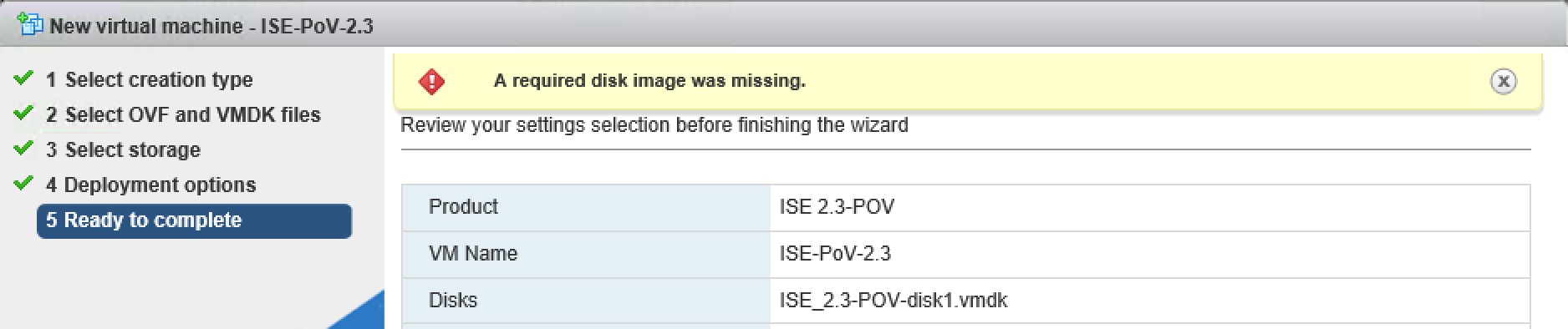
If you ever get stuck with the “A required disk image was missing” error when deploying an OVA directly on an ESXi host, you might want to check this out – ASAv specific, but should work for other OVAs like I wrote about regarding Deploy ISE PoV 2.3 OVA using ovftool

First of all you download the ASAv from CCO and unzip it. Second you create a text file with the command to deploy the OVA on the ESXi host. My file looks like this:

DNAC HA

The DNAC is currently sold as an appliance (part number DN1-HW-APL). It costs a whopping $80k list per box! So why do you need three of them when doing a HA setup?

It is because of Quorum. The definition of quorum is:

"The number of members of a group or organization required to be present to transact business legally, usually a majority."

 - source: dictionary.com

Say you only have two hosts in a cluster. If they get partitioned, who should take the role of servicing the network and maintaining the database? This is where quorum comes into play. When you have a three node cluster and one of them loses network connectivity to the other two nodes, the “majority” of nodes lies with the two nodes that can see each other. Quorum is obtained and DNAC continues to function. Now data consistency is also ensured when the network to the isolated single host is restored. This is also the reason why you can only survive losing a single DNAC host. If all three gets cut off from each other, you will need to isolate one of them and reinitialize the other two – one at a time.
DNAC Integration with ISE using a self-signed Certificate

NOTE! Using ISE 2.3p3 is not an option due to CSCvi94778

If you’re deploying a DNAC and you want to integrate with ISE, you might have read the following documents:

Perform Post-Installation Tasks

Cisco ISE Integration Limitations

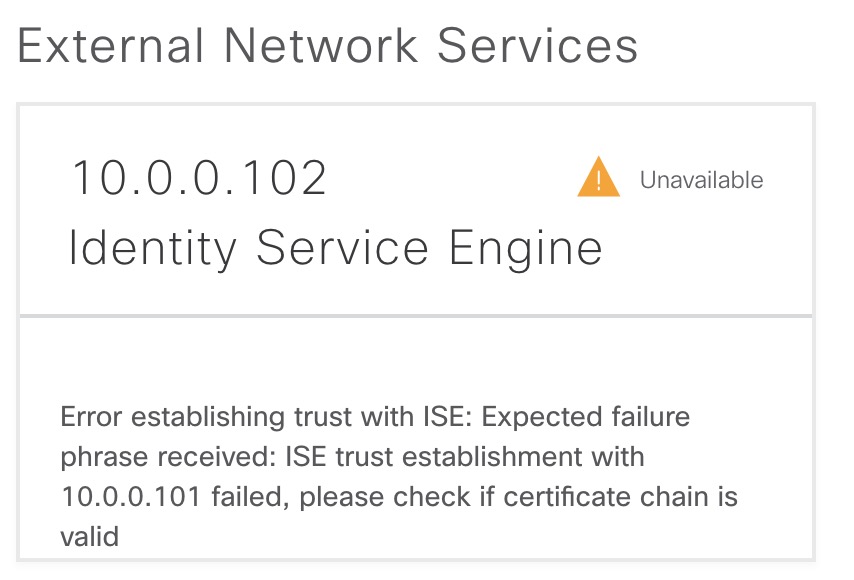
I did and ended up with this error in DNAC when adding ISE:

Clearly this is a certificate error. The thing is that Cisco mentions that SAN (Subject Alternate Name) is essential for the trust between DNAC and ISE. They state this:

Deploy ISE PoV 2.3 OVA using ovftool

When you want to deploy the ISE Proof of Value OVA in a ESXi 6.5 this happens:

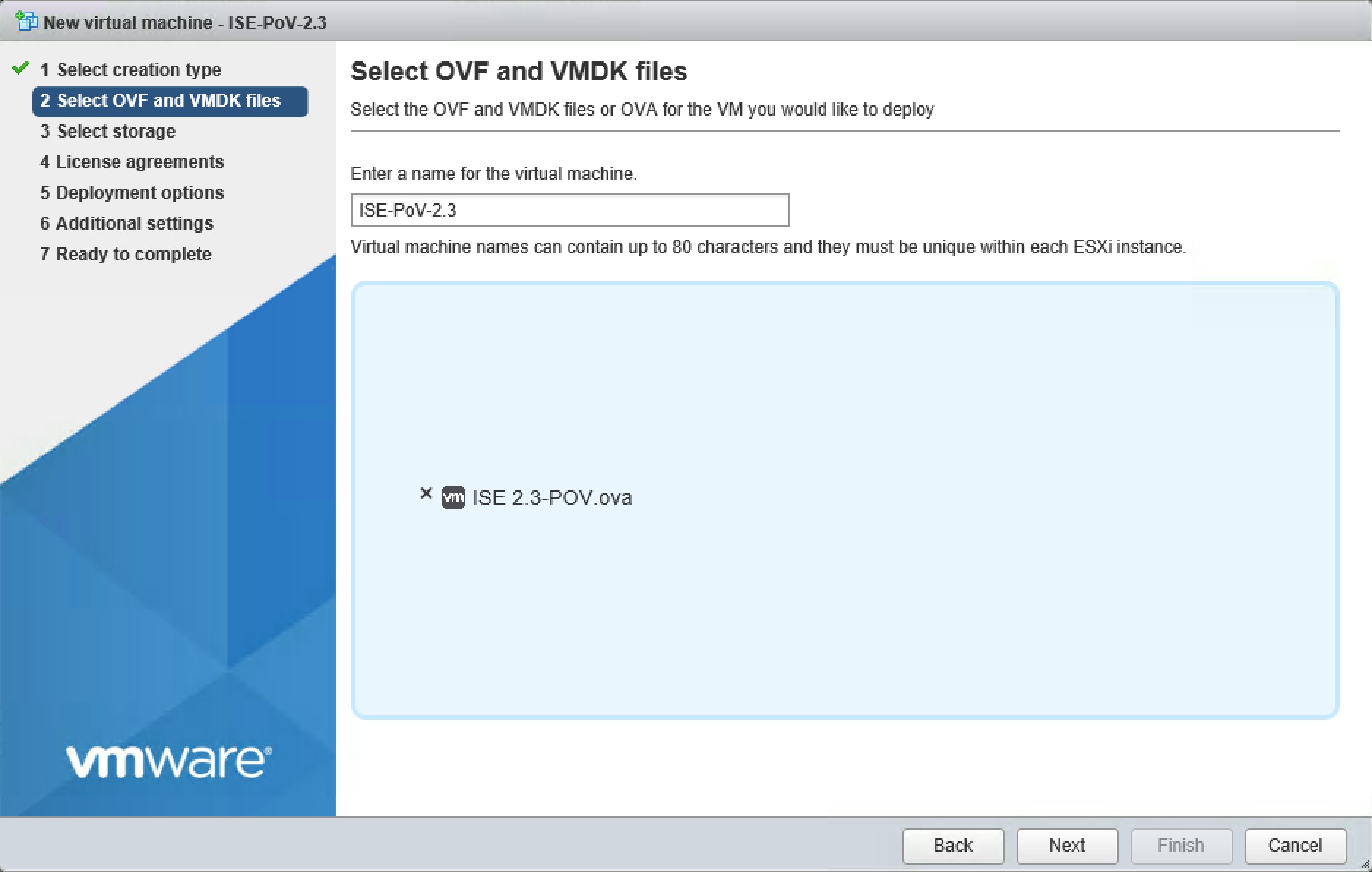
We create a new VM, specify the name and select the ova:[

]1

In the last step, you’ll receive an error that “A required disk image was missing.”

ISR4321 Switch Module Not Working – CPLD Incompatibility

I recently had the pleasure of upgrading a ISR4321 router to Denali (16.3.5). If you have a NIM-ES2-8 for example you might want to be careful and check the CPLD version before doing the upgrade! Here is why.

Here the CPLD version is 14101324

The Firmware Version is the ROMMON version.

As of writing there is no way of correlating the CPLD version show in the output of show platform and the one you can download on CCO. And for ISR4321 there is only one version on CCO.

Cisco 4321 – Boot Loop

I had the opportunity to configure a new Cisco 4321 router the other day.

Opened the box and plugged in the power which by the way is via an external power supply that has a Mickey Mouse (C5) connector!

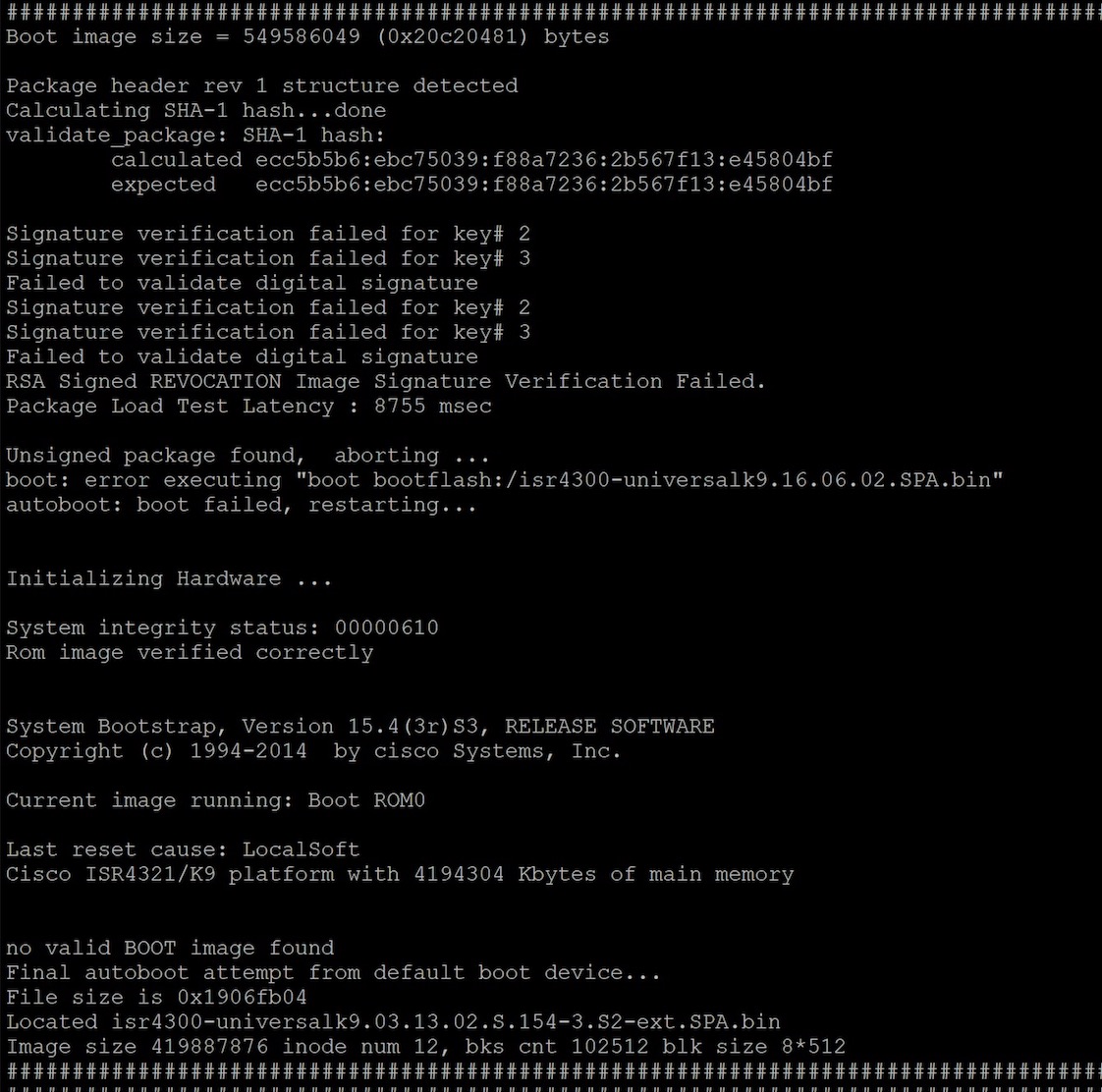
Waiting in excitement for the router to boot… After some time I realised the router wasn’t booting. The error was:

unable to open bootflash:xdsl/packages.conf (14)

My output from SecureCRT: